June 11, 2026
When embarking on a home improvement project, major property renovation, or new construction build, it is easy to focus all attention on the visible elements like architectural features, landscaping, or interior finishes. However, the true heartbeat of any functional home lies buried deep beneath the surface, where water lines, sewer connections, electrical conduits, natural gas piping, and communication cables form a vital network that keeps a household running smoothly. Planning, preparing, and installing these invisible systems requires an immense amount of precision, specialized equipment, and deep safety knowledge that goes far beyond simply moving dirt to different locations. Attempting to manage this complex work independently or relying on unqualified labor often leads to catastrophic failures, severe property damage, and safety hazards that can impact an entire neighborhood. Ground conditions vary wildly from plot to plot, meaning that a trench dug today could collapse tomorrow if the structural integrity of the surrounding earth is not thoroughly analyzed and prepared by professionals. Without proper planning, soil erosion, shifting water tables, and underground roots can compromise newly installed lines before they are even fully connected. For these reasons, investing in professional local site excavation services is an absolute necessity to ensure that the ground is perfectly graded, stable, and completely ready for the safe installation of essential utilities.
Protecting Your Family From Hazardous Underground Utilities
The primary concern during any earthmoving project must always be safety, as underground utility installation and repair involve working with forces that can become incredibly dangerous if handled improperly. Excavating near existing gas lines, electrical mains, and water lines carries inherent risks where any misplaced strike with a shovel or heavy machinery can rupture a gas line, cause immediate evacuation hazards, or sever high-voltage electrical lines. Beyond the danger of hitting existing lines, the physical structure of a trench presents its own set of serious hazards, as trench collapses and cave-ins are among the most common and dangerous accidents in the construction industry. Many people underestimate how heavy and unstable displaced earth can be, but according to GeoTechnicalInfo, soil weighs between 70 and 150 pounds per square foot. When a trench is cut into the ground, the natural lateral support of the surrounding earth is suddenly removed, creating a highly volatile situation where thousands of pounds of dirt can slide or collapse inward in the blink of an eye, trapping anyone working inside. This massive weight makes escape virtually impossible, turning an amateur project into a life-threatening emergency. Utilizing specialized local site excavation services brings in trained professionals who know how to mitigate these structural risks by reading utility markings, employing soft-digging techniques, implementing proper trench shoring, and ensuring that every excavation is structurally stable and completely safe.
Preventing Costly Damage to Existing Infrastructure
Damaging an active utility line during excavation does not just create an immediate safety hazard; it also carries massive financial consequences that can instantly ruin a project budget. If an untrained operator accidentally severs a neighborhood fiber optic cable, punctures a municipal water main, or crushes a neighbor's sewer lateral, the property owner is often held fully liable for the astronomical costs of emergency repairs, service restoration, and collateral property damage. Professional excavation providers protect homeowners from these financial nightmares by utilizing a rigorous utility locating and mapping process before any digging begins, coordinating directly with local utility notification centers to mark the approximate locations of all public buried lines. Once these pathways are identified, experienced excavators carefully verify their exact depth using advanced technology and hand-digging practices in high-risk zones, ensuring that new utility trenches are carved out cleanly without disturbing the existing network of pipes and wires. Additionally, professional utility excavators possess comprehensive liability insurance, shielding the homeowner from direct financial responsibility if an unforeseen complication occurs, unlike DIY attempts where a mistake leads to major disputes with municipal authorities or massive restoration fees.
Securing the Right Machinery For Precise Trenching
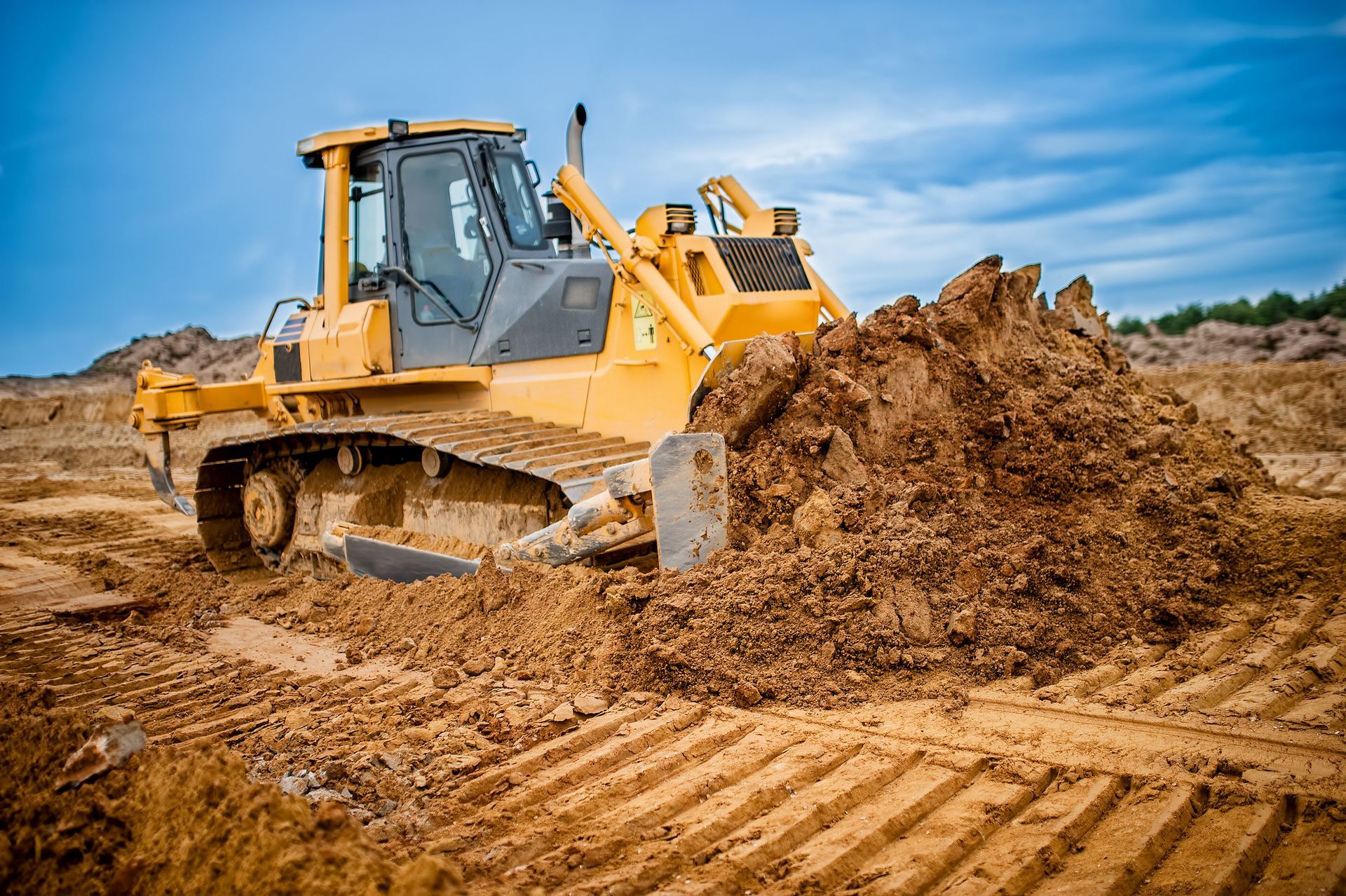
Many homeowners assume they can rent a small mini-excavator from a local yard and complete their utility trenching over a weekend, but operating heavy machinery is a specialized skill that requires years of practice to master. Inexperienced operators frequently struggle with depth control, trench alignment, and maintaining a consistent slope, which is absolutely critical for utilities like sewer and drainage lines where even a minor deviation in the grade can cause perpetual clogs, backflows, and system failures. Furthermore, using incorrect or poorly sized equipment can lead to excessive turf damage, compacted soil, and unnecessary destruction of the surrounding landscaping. Choosing established local site excavation services ensures that the project is completed with a diverse fleet of modern excavators, trenchers, and compactors operated by highly skilled technicians who can dig perfectly straight, flat-bottomed trenches at the exact depth required by building codes. These professional operators maneuver heavy machinery without destroying driveways, tearing down retaining walls, or compacting the soil, preserving yard health, preventing foundation settlement, and ensuring long-term utility viability.
Navigating the Complexities of Local Permits and Codes
The regulatory side of home utility installation can be incredibly daunting for the average property owner due to strict building codes that govern trench depths, utility spacing, and specific materials required for bedding and backfilling. For example, electrical conduits must be buried at a different depth than water lines to prevent freezing and accidental contact, and gas lines require specific warning tapes placed in the backfill to prevent future accidents. Professional excavation crews take the guesswork out of this regulatory process by handling code compliance and permitting, utilizing their deep familiarity with local building departments and utility provider guidelines to ensure the trench passes municipal inspections on the initial attempt. Additionally, they execute proper backfilling techniques, as backfilling with unapproved native soil containing sharp rocks can easily puncture new pipes under the weight of the earth, leading to premature utility failure years down the road. They understand how to import fill material, such as sand or pea gravel, to properly cradle the pipes and shield them from seasonal shifting, which is a vital structural detail that amateur excavators almost always overlook.
Saving Valuable Time On Your Construction Schedule
A residential construction or renovation project is a complex sequence of events where a minor delay can cause a massive domino effect, stopping plumbers, foundation crews, and framing carpenters from starting their work on schedule. Attempting to tackle excavation as a DIY project or hiring an unreliable contractor often leads to prolonged delays, especially when encountering unexpected underground obstacles like dense clay, buried boulders, or high water tables. Partnering with professional local site excavation services keeps the timeline intact because a dedicated, experienced crew has the heavy-duty machinery and technical capacity to overcome these obstacles quickly and efficiently. By working in close coordination with general contractors and utility providers, professional excavators ensure that trenches are opened, inspected, and backfilled with minimal downtime, allowing the entire home build or renovation to proceed smoothly. Their efficiency prevents open trenches from sitting exposed to the elements, which greatly reduces the risk of trench erosion, mud accumulation, or water pooling from sudden rainstorms that could ruin weeks of hard work and compromise adjacent structures.
At Whatcom Excavation, we have the specialized equipment, regulatory knowledge, and safety training required to prepare your property for flawless utility installations. Our team handles every phase of the digging process with the utmost care, protecting your existing infrastructure and ensuring your project stays on schedule and within budget. Contact us today to discuss your upcoming project and schedule a professional site consultation with our experts.